
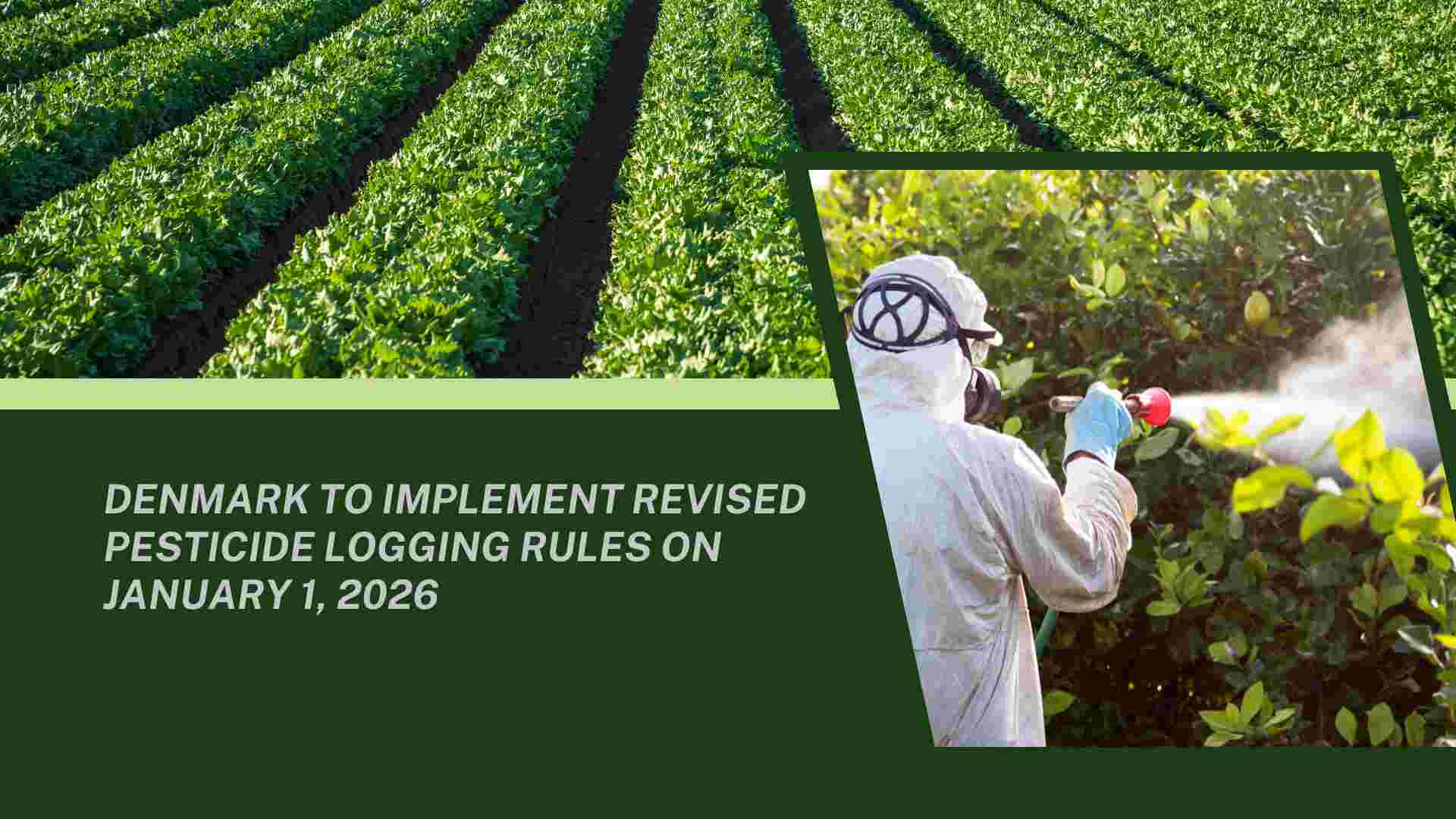
Denmark to Implement Revised Pesticide Logging Rules on January 1, 2026
New Requirements for – Denmark pesticide spraying records 2026 On January 1, 2026, the revised Executive Order on Spraying Records and related regulations will take effect. The existing regulations requiring professional pesticide users to maintain a spraying log and submit spraying log data to the Danish Environmental Protection Agency...
Read More
South Africa moves to ban deadly “Street Pesticide” Terbufos
South Africa Terbufos Ban: Minister of Agriculture John Steenhuisen has formally issued a notice of intent to ban the use, sale, and purchase of the very hazardous agricultural pesticide Terbufos in an effort to safeguard human health and safety. On December 31, 2025, the prohibition...
Read More
“One Substance, One Assessment” Principle: B-risk tool for Biocides Standardizes Bee Risk
A significant step forward in the preservation of bee health and biodiversity has been announced with the launch of the B-risk for biocides online tool. This new resource is intended to assist businesses, scientists, and authorities in evaluating the hazards that biocidal agents represent to bees. It...
Read More
India’s CIB&RC Alerts Stakeholders on Lebanon’s Oxamyl Ban
The Central Insecticides Board and Registration Committee (CIB&RC) of the Directorate of Plant Protection, Quarantine & Storage (DPPQS) has released a public notice about the Republic of Lebanon’s ban on the registration and import of pesticides that contain the active ingredient Oxamyl. Key Announcement –...
Read More
APVMA Updates Timelines for Key Chemical Reconsideration Decisions
The Australian Pesticides and Veterinary Medicines Authority (APVMA) has announced amended timetables for the final judgments on three major chemical reconsiderations, postponing two until 2026. Anticoagulant Rodenticides Decision Expected by Year’s End APVMA updates timelines for key chemical reconsideration decisions on anticoagulant rodenticides is now...
Read More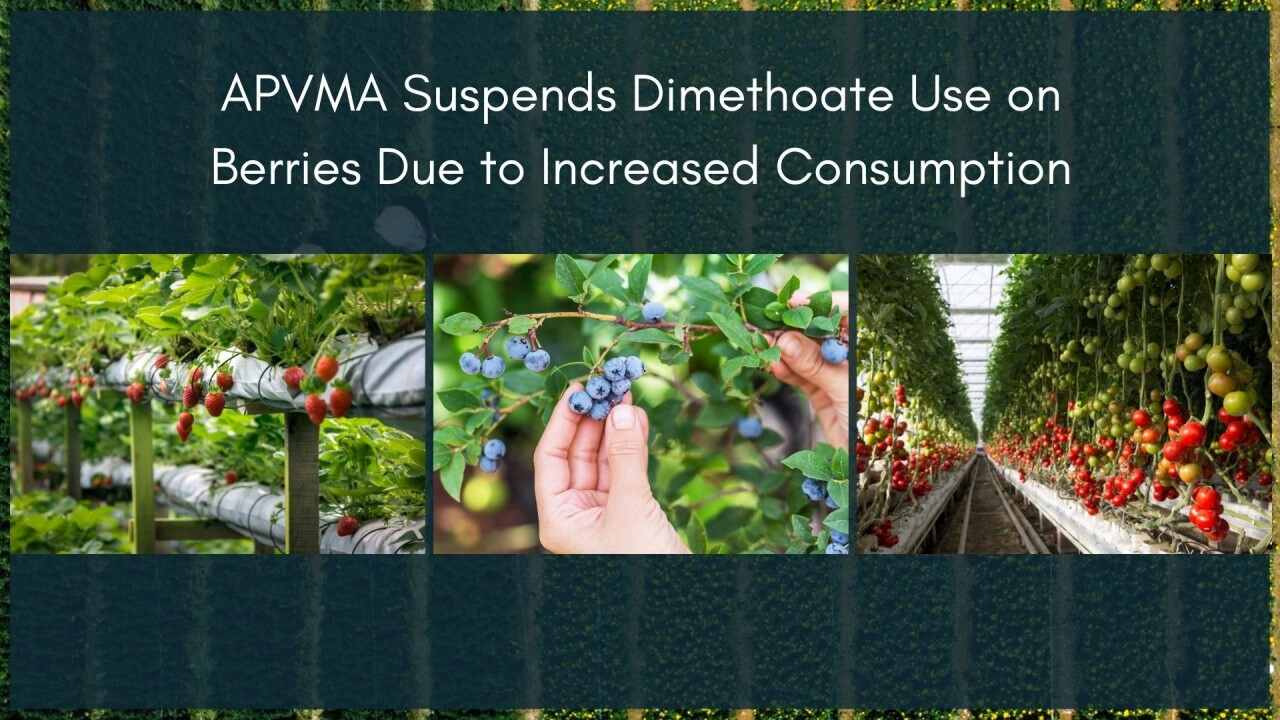
APVMA Suspends Dimethoate Use on Berries Due to Increased Consumption
In a precautionary decision, APVMA suspends dimethoate use on berries, announcing that products containing dimethoate can no longer be used on blueberries, raspberries, or blackberries. The final decision of is a precautionary step based on revised dietary exposure data and comes after a public comment...
Read More
Finland: Requirements from the Biocidal Products Regulation for Airborne Surface Disinfection
According to Tukes, airborne surface disinfection authorisation should be done when a biocidal product on the market complies with the Biocidal Products Regulation. This disinfection procedure is used to treat all of the surfaces in a room or other confined space at once. The disinfectant...
Read More
Mandatory Advance SME Validation: Two-Month Deadline for REACH Fee Reductions (Effective 2027)
According to the European Commission’s new REACH Fee Regulation, micro, small, and medium-sized firms (SMEs) seeking lower costs for their REACH applications will soon be forced to go through an ex-ante company size validation process. This substantial shift requires that SMEs apply for business size...
Read More
Tukes Updates Terms and Conditions for Plant Protection Product Experimental Licences
The Finnish Safety and Chemicals Agency (Tukes) have announced considerable changes to the criteria and circumstances for issuing experimental activity licenses for plant protection products. Tukes Updates Experimental Licence Terms went into effect in October 2025. These revisions are intended to improve health and environmental...
Read More