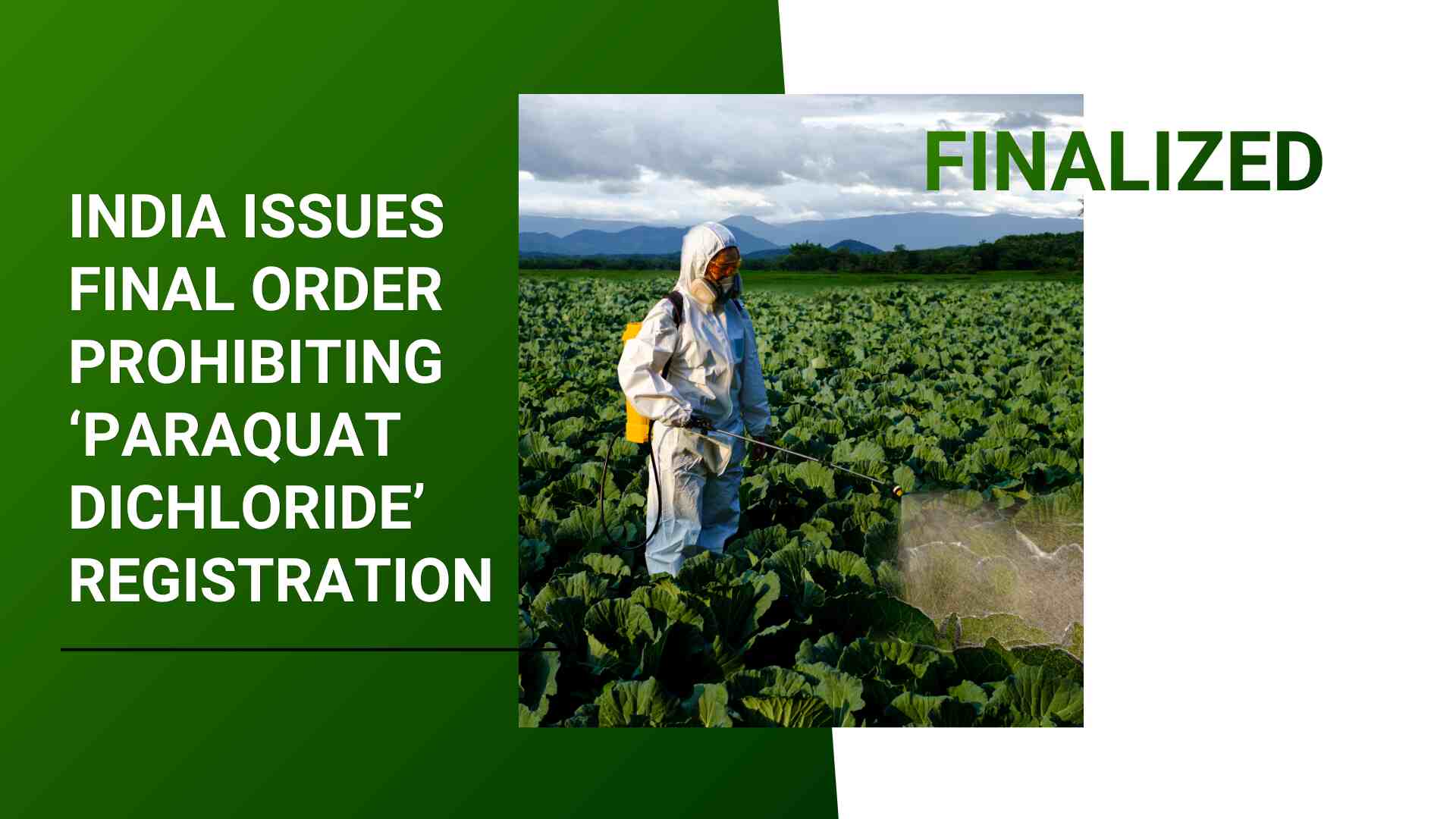
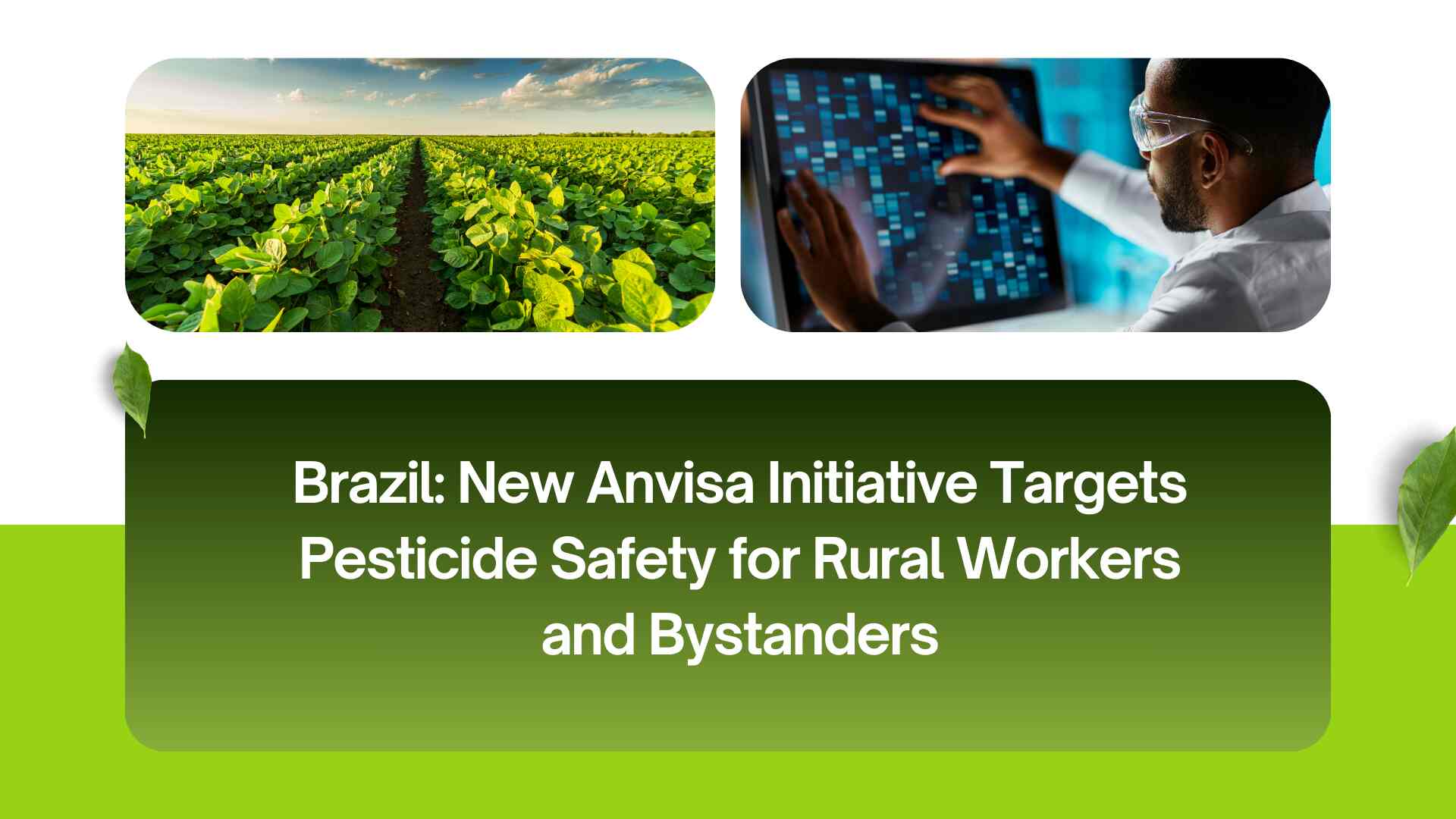
The National Health Surveillance Agency (Anvisa) has formally developed an Anvisa Risk Assessment Portal, which is a specialized online site for the risk assessment of pesticide exposure, which is a significant step toward improving rural public health and regulatory transparency.
The initiative’s aim is to give operators, rural workers, communities, and bystanders who interact with or live close to regions where pesticides are administered thorough access to technical and regulatory information about the health hazards they face.
A New Regulatory Framework (RDC 998/2025)
The recently released Resolution of the Collegiate Board (RDC) No. 998/2025 serves as the launch’s focal point. By addressing individuals who are directly exposed throughout the handling and application process, this regulation expands the agency’s emphasis beyond food safety (dietary risk) to cover “non-dietary” concerns.
There are now a number of key resources available on the page, including guide No. 84/2025 (Version 1.0) and the avaliAR Calculator (Version 1.0), as well as comprehensive FAQs and tutorial videos to help technicians and the public use the new tools.
Protecting Vulnerable Populations
The initiative reinforces Brazil’s alignment with international safety standards, particularly following the enactment of the new Pesticide Law (Law 14.785/2023). By making these tools public, Anvisa aims to:
- Standardize Safety: Establish uniform technical guidelines for inhalation and skin exposure.
- Reduce Risks: More precisely determine the protective gear (PPE) and re-entry intervals that are required.
- Promote Transparency: Make sure businesses and the general public are aware of the strict requirements for product registration and revaluation.
Anvisa Risk Assessment Portal – Why This Matters
Until recently, residues on consumer food were the main focus of many regulatory evaluations. This new site ensures that individuals who live and work in agriculture are not left out of the safety chain by offering the “robust technical criteria” required to safeguard those on the front lines.
“The initiative reinforces Anvisa’s commitment to transparency and the protection of the health of the population, especially rural workers and those who circulate in treated regions.” – Anvisa Statement.