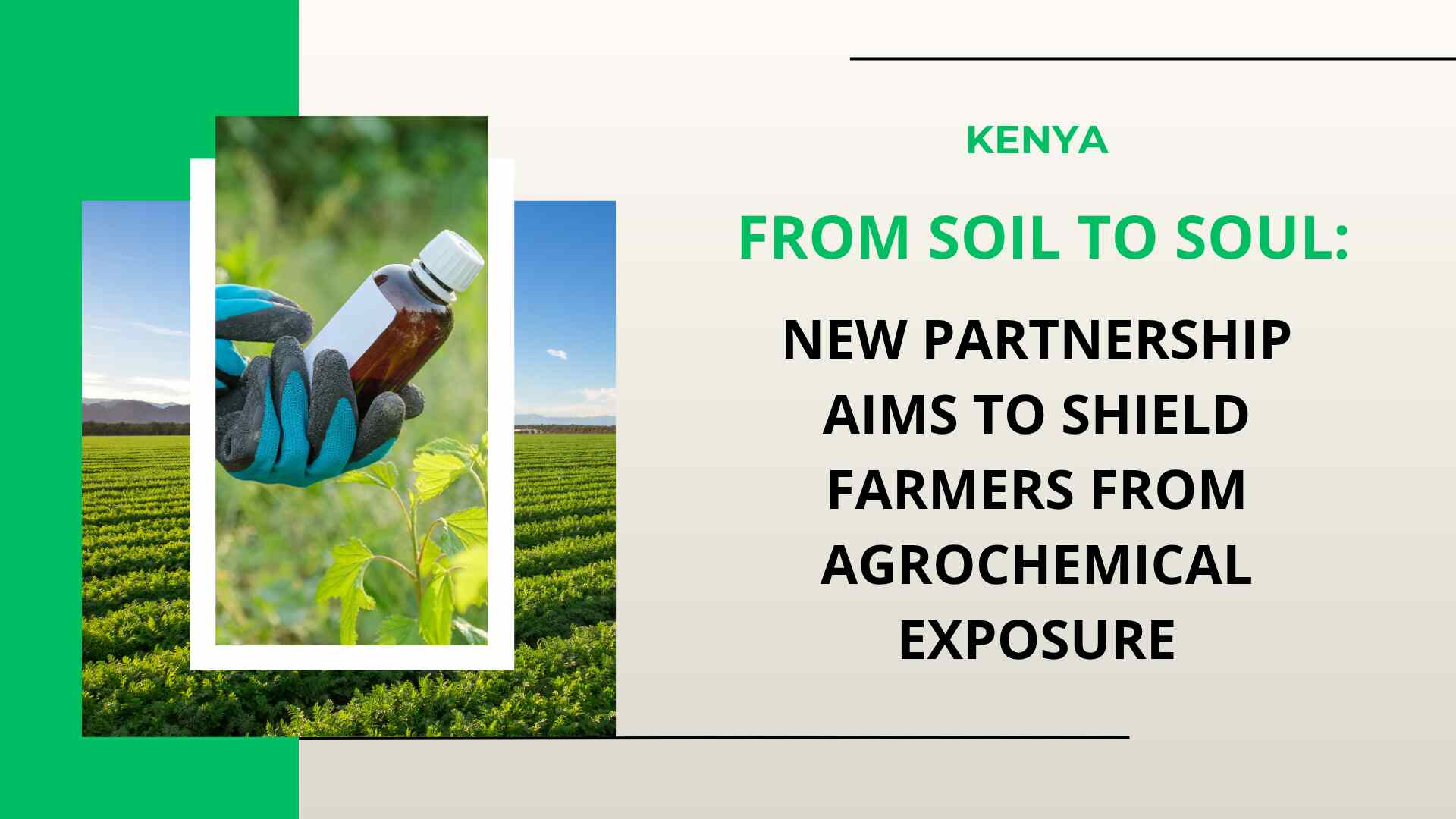
The agrochemical industry has started a bold project called “Taming the toxic: New push to clean up Kenya’s farm chemical crisis,” which is a significant step toward reforming Kenya’s agricultural safety regulations. The Agrochemicals Association of Kenya (AAK) and Mazao na Afya signed a new Memorandum of Understanding (MoU) today, which is at the heart of this endeavour. The collaboration seeks to protect farmers and consumers from the growing health hazards and environmental harm brought on by pesticide misuse.
Strategic Objectives of the MoU
- Responsible Handling: Increasing farmer education on chemical application and storage safety.
- Waste Management: Establishing a system for the appropriate disposal of chemical containers to stop soil and river contamination.
- Safety: Starting awareness programs to promote small-scale farmers’ required usage of safety equipment (PPE).
- Fighting Imitations: Increasing surveillance to remove illicit and fake pesticides off the market.
The Health and Trade Stakes
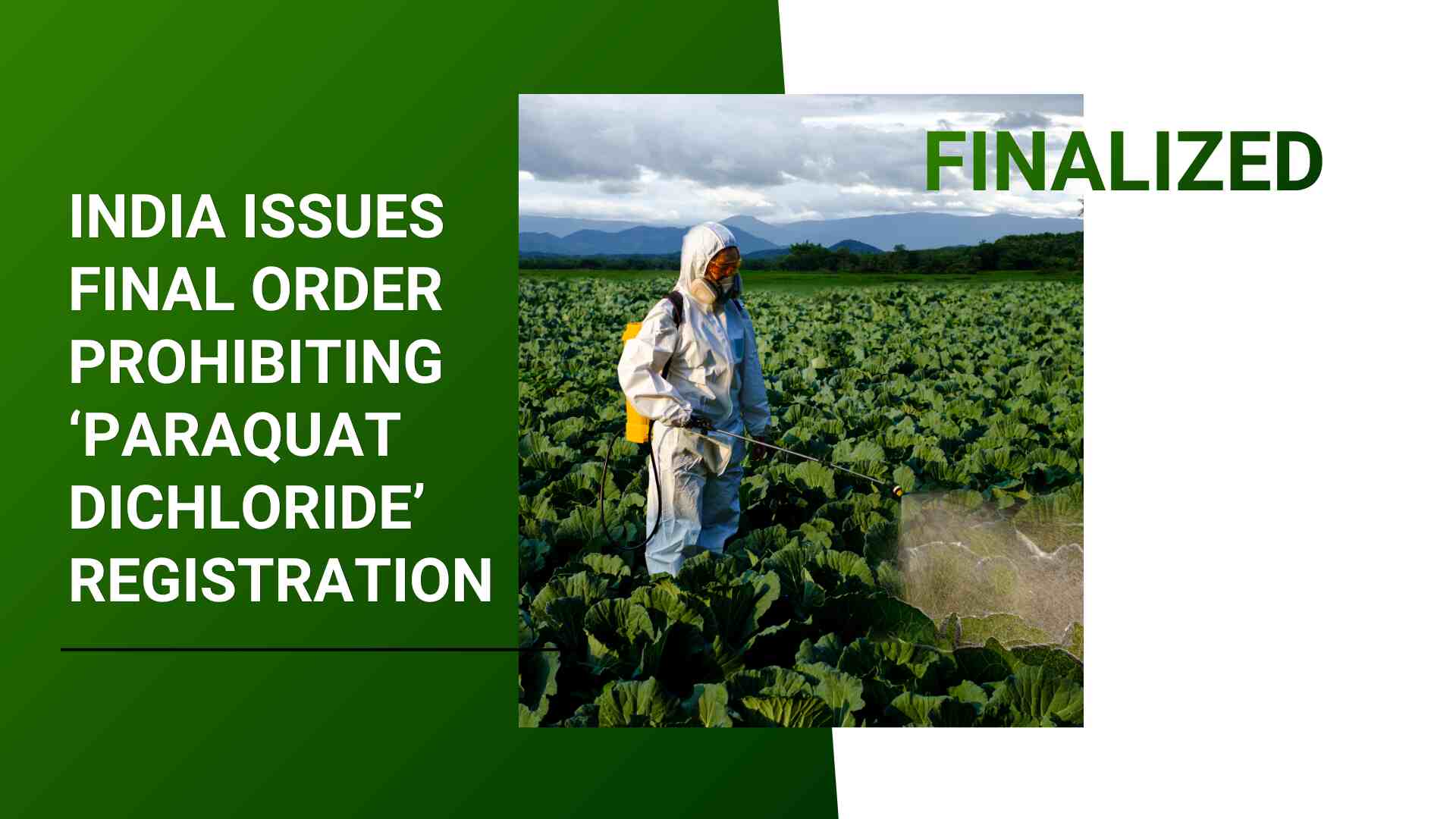
The program is a response to public health professionals’ growing concerns about an increase in chronic illnesses in agricultural regions, including renal disease, lung conditions, and several types of cancer. A 2023 assessment that found that 63% of pesticides used in Kenya are categorized as Highly Hazardous (HHPs), including substances like paraquat and glyphosate that are prohibited in the EU, aggravates these concerns. The MoU is also an essential for Kenya’s economy in addition to local health.