
OECD Releases 2026 Chemical Test Guidelines to phase out animal testing. Explore new in vitro methods, nanomaterial rules, and updates. Read more. The Organisation for Economic Co-operation and Development (OECD) has officially issued its 2026 update to the Guidelines for the Testing of Chemicals, incorporating 7 new, 5 updated, and 6 rectified Test Guidelines (TGs). […]
APVMA Paraquat Regulations 2026: The Australian Pesticides and Veterinary Medicines Authority (APVMA) has completed its evaluation of the herbicide paraquat, imposing more stringent environmental limitations, worker safety regulations, and quality standards. Although the authority came to the conclusion that there is now insufficient evidence to establish a direct connection between occupational exposure and Parkinson’s disease, […]

The Unified System of Information, Petition and Electronic Evaluation (Sispa) – Digital System for Brazilian Pesticide Registration has been formally introduced by the Ministry of Agriculture and Livestock (Mapa). The Brazilian pesticide and related product registration procedure is centralized, updated, and streamlined via the new digital platform. Sispa – Digital System for Brazilian Pesticide Registration, […]
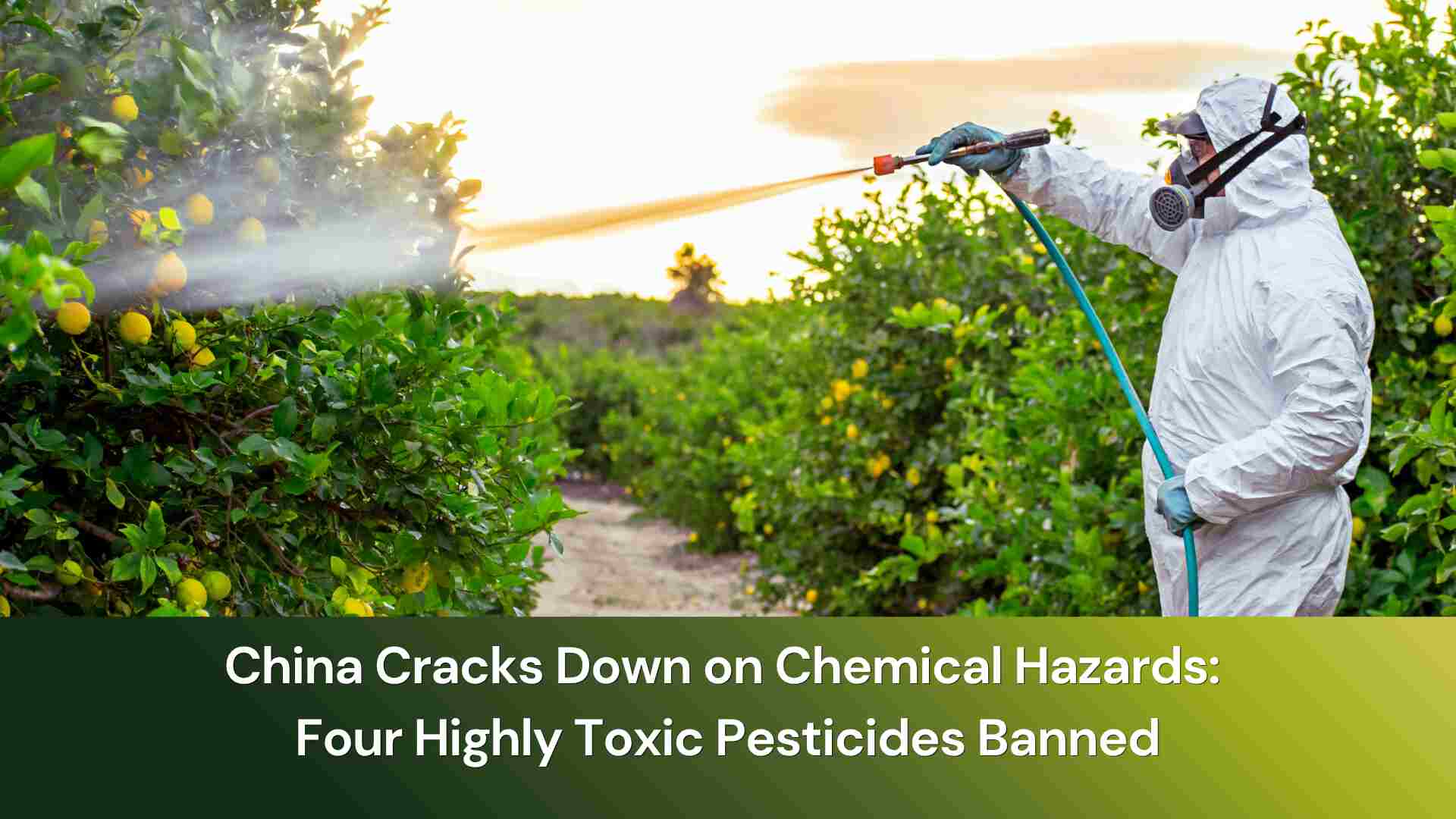
Ministry of Agriculture and Rural Affairs of China bans four highly toxic pesticides and it has declared a comprehensive ban on four extremely dangerous pesticides in an effort to preserve human and animal health, assure the quality and safety of agricultural products, and protect the environment. Aligned with the “Opinions of the CPC Central Committee […]

BIS Update 2026: Scheme-I Licence Validity Extended to 5 Years: The BIS (Conformity Assessment) Amendment Regulations, 2026 released by the Bureau of Indian Standards (BIS). To make conducting business in India easier, this regulation reform changes Scheme-I licenses (including the ISI Mark) from short-term cycles to a long-term validity framework. Key Changes : BIS Update […]
Regulation (EU) 2026/1165, passed by the EU, extends data protection for certain biocidal active chemicals (pesticides, preservatives, and disinfectants) until December 31, 2030. Reason for Extension The new legislation, which was signed into law on May 20, 2026, by Council President Nicolas Ioannides and European Parliament President Roberta Metsola, attempts to address a regulatory bottleneck […]

Three synthetic pyrethroid insecticides, Bioresmethrin, Cyhalothrin, and Fenvalerate as well as any goods containing them are immediately prohibited by by New Zealand’s Environmental Protection Authority (EPA). These compounds are extremely harmful to aquatic habitats and pose serious risks to human health, according to a formal evaluation. Highlights of New Zealand Bans Three Toxic Synthetic Pyrethroids […]

The Cabinet of Ministers has approved extensive changes to Cabinet Regulation No. 506, “Regulations regarding the Identification, Quality Conformity Assessment and Marketing of Fertilizers and Substrates,” in a significant effort to reduce red tape for agricultural enterprises. The new rules of Latvia fertilizer and substrate market entry simplification, which were created by the Ministry of […]

COFEPRIS, Mexico’s health authority, has announced a huge regulatory overhaul aimed at reducing red tape in the pesticide and fertilizer industries. The 50-page legislation of Mexico agrochemical rules update fundamentally modernizes how agricultural inputs are registered, updated, and exported, converting a historically slow bureaucratic system into a speedier, more computerized one. While the government is […]

Stricter permission requirements have been issued by the Dutch Board for the permission of Plant Protection Products and Biocides (CTGB) for PT 19 repellents, which include lotions and sprays used on human skin to repel mosquitoes, ticks, and biting midges. These updated regulations, which were decided upon at the Board’s February meeting, are applicable to […]