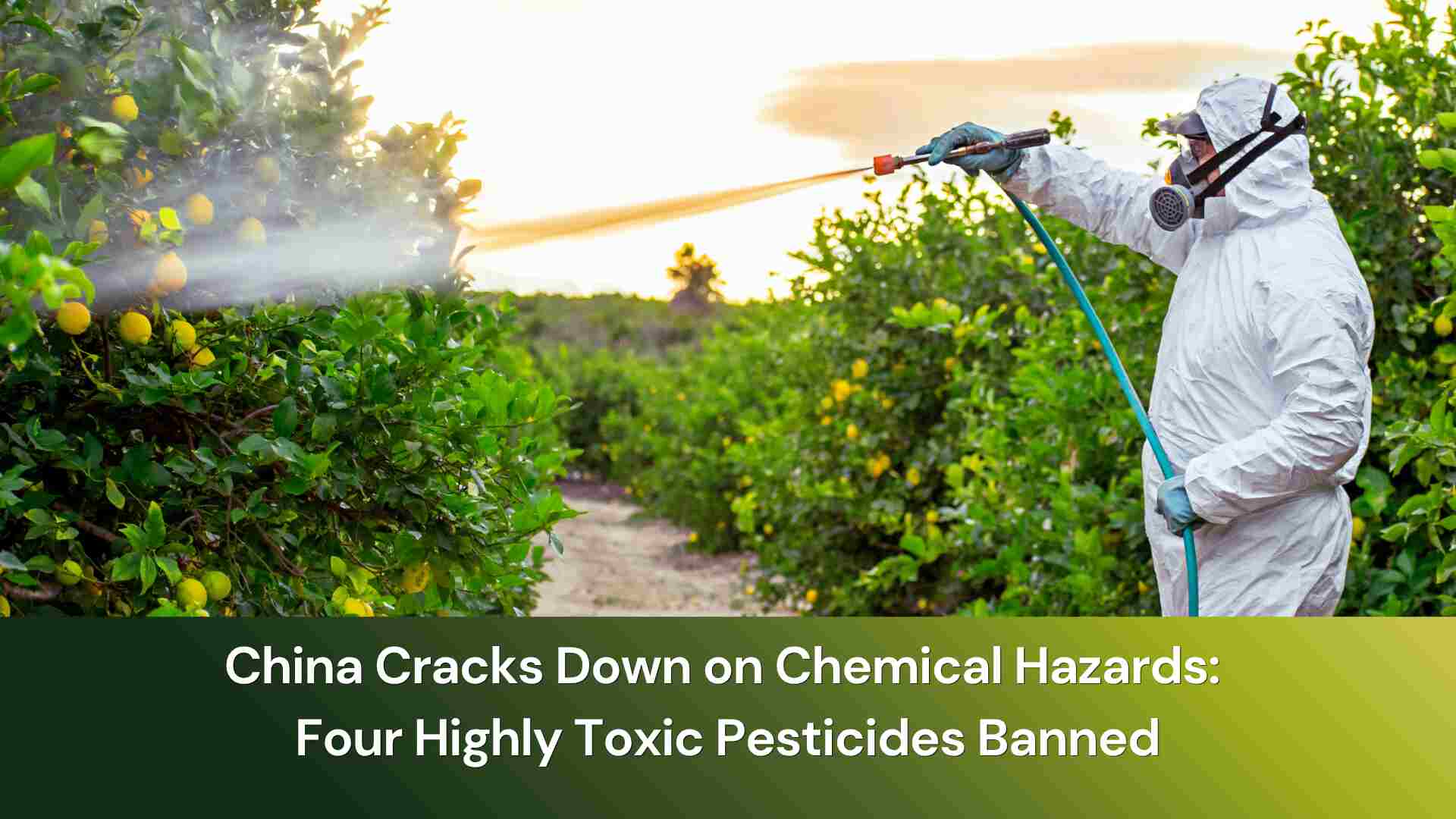
APVMA Paraquat Regulations 2026: The Australian Pesticides and Veterinary Medicines Authority (APVMA) has completed its evaluation of the herbicide paraquat, imposing more stringent environmental limitations, worker safety regulations, and quality standards. Although the authority came to the conclusion that there is now insufficient evidence to establish a direct connection between occupational exposure and Parkinson’s disease, significant revisions were considered legally required to satisfy contemporary safety regulations.
New Manufacturing and Quality Mandates: APVMA Paraquat Regulations 2026
Chemical holders of 14 particular paraquat active constituent approvals are subject to a stringent one-year limit under the revised regulations. To demonstrate conformity with the Agricultural Active Constituents Standards 2022, they must submit a revised Declaration of Composition and five separate batch analyses to the APVMA. Their approvals will be revoked if they don’t achieve this deadline. Additionally, by eliminating superfluous wording, the APVMA has simplified quality assurance requirements, leaving suppliers with a clear and binding need to uphold stringent batch-number traceability across the supply chain.
Large-scale farming now requires enclosed mixing and loading systems. Backpack spraying is severely restricted because of uncontrollable exposure dangers, and operators must comply with stringent new PPE regulations, including the requirement for respirators.
In order to prevent chemical drift from harming land ecosystems and aquatic life, the APVMA has mandated downwind buffer zones.
Agricultural Withholding Updates
Certain crop timeframes are also changed by the changes. The APVMA concluded that prior 7-day harvest delaying periods for spray-topping weed control in pulse crops (such as chickpeas, field peas, lentils, and faba beans) lacked adequate data, even if some circumstances are still the same. In order to ensure that residues safely fall below the maximum permissible limits, the instructions have been revised to mandate a 14-day gap between the final chemical application and harvest.